
Demographic Information
- Age: 15–40 years old, high school kids, college students, young professionals, and working adults.
- Gender: any gender, but predominantly females
- Location: Urban, suburban, and college communities throughout the United States and internationally.
- Education Level: High school, college, or higher education.
- Occupation: High school and College students, office workers, teachers, healthcare workers. Income varies from low to high.
- Marital Status: Mostly single, but also a steady number of married customers and families.
- Household Size: 1–4 people.
Psychographic Information
- Interests & Hobbies: Coffee, studying, working, socializing, entertainment, and social media.
- Values & Beliefs: Convenience, personalization, and quality.
- Lifestyle: Fast-paced and busy. They may stop for coffee before work or school, to meet friends, or as a place to study or work.
- Personality Traits: Social, trendy, and convenience-oriented.
- Motivations: Energy, productivity, enjoyment, socializing, and convenience.
- Challenges & Pain Points: Busy schedules, stress, and trying to balance school, work, and personal life.
Behavioral Information
- Buying Behavior: Some customers purchase Starbucks several times a week or even daily. Most of the time, it’s coffee or tea with an occasional food purchase.
- Product/Service Usage: Customers use Starbucks for coffee, food, studying, and socializing. Customization and convenience are important factors too.
- Online Behavior: Customers use the Starbucks app for ordering ahead and rewards. They may also discover new drinks through TikTok, Instagram, and other social media platforms.
- Customer Journey: They see a new drink or promotion and take an interest to it then they want to try it they go to the app and type in their customizations order it and get their rewards and the cycle continues as they see more trending orders.
Goals and Objectives
- Short-Term Goals: Get coffee quickly, stay energized, study/work, socialize, or enjoy a treat.
- Long-Term Goals: Become successful in school or work.
- How Starbucks Helps: Starbucks offers convenient locations that are clean and easy to study/work in, customizable drinks, mobile ordering, and a rewards program.
Objections and Concerns
- Potential Barriers: Price is a major concern because customers can make coffee at home or purchase cheaper alternatives.
- Common Questions: “Is it worth the price?” “What drink should I get?” “Can I customize it?”
Influence Factors
- Influencers: Friends, coworkers, social-media influencers, and celebrities.
- Media Consumption: TikTok, Instagram, YouTube, podcasts, and other social media platforms.
Quotes & Real-Life Examples
- Customer Quote: “A regular visitor wrote that after seeing a “great improvement” in staff engagement, he felt Starbucks was moving beyond corporate slogans to real human connection. He praised the warm welcome, eye contact, remembering names and orders, and treating each visit as an interaction rather than a transaction”- Nicholas Fox
- Case Study: “Starbucks focuses on how people feel inside their stores. The music, lighting, layout, and even the barista’s tone are designed to be calming and familiar. Names on cups, customized drinks, and friendly interactions make the experience feel personal, even in a large chain. That’s how they keep customers coming back.”
Name and Visual Representation
- Persona Name: Jess Koleman
- Age: 22
- Occupation: College student and part-time marketing assistant
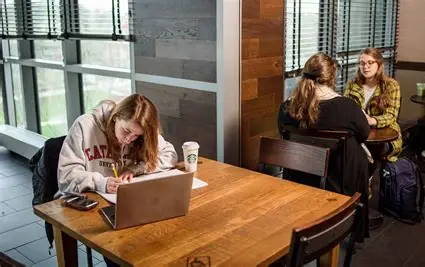
- Photo/Image: A college student studying while drinking Starbucks.
Sources:
Starbucks | Description, History, & Facts | Britannica Money
The Starbucks turnaround is happening one customer connection at a time